wildwanderersafaris.com
Rhino Conservation Project
This rhino conservation project has both life-changing and life-saving effects. Rhinos are still being hunted and poached for their horn, for various reasons, ranging from traditional Chinese medicinal beliefs to aphrodisiacs and even as status symbols, making them one of the most expensive commodities on the black market worldwide.
Location: Hoedspruit Area
Duration: 3-4 hours
Price: From €600 per person, minimum age 12 years
Date: Upon request
Welcome to our Rhino Conservation Project, where we are committed to protecting rhinos, an iconic species threatened by poaching. Our project offers a unique opportunity to actively participate in the conservation of these majestic animals and make a positive impact on their survival. By joining our project, you can not only contribute to rhino conservation but also gain valuable experience by working alongside our dedicated conservation team. Discover how you can help protect this endangered species and assist us in making a difference in the Greater Kruger area.
- Accommodation
- Transfers to and from the camp (optional, can be booked separately)
- The Timbavati entrance fee of R310 per vehicle if self-driving (to be paid at the Timbavati gate with cash or credit card)
- Gratuities
- Personal purchases
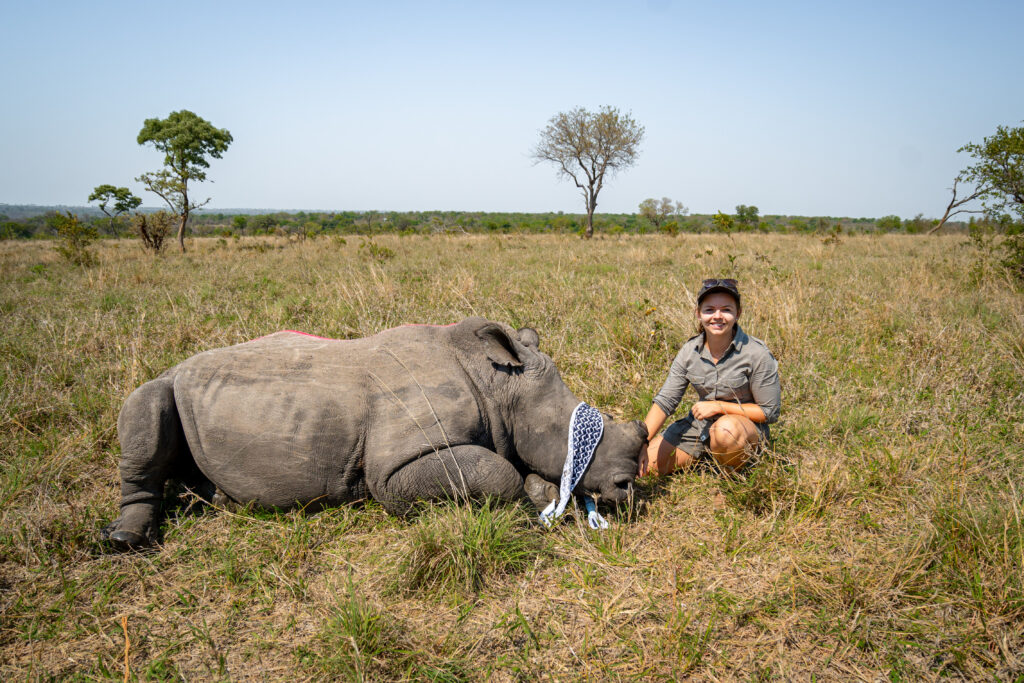
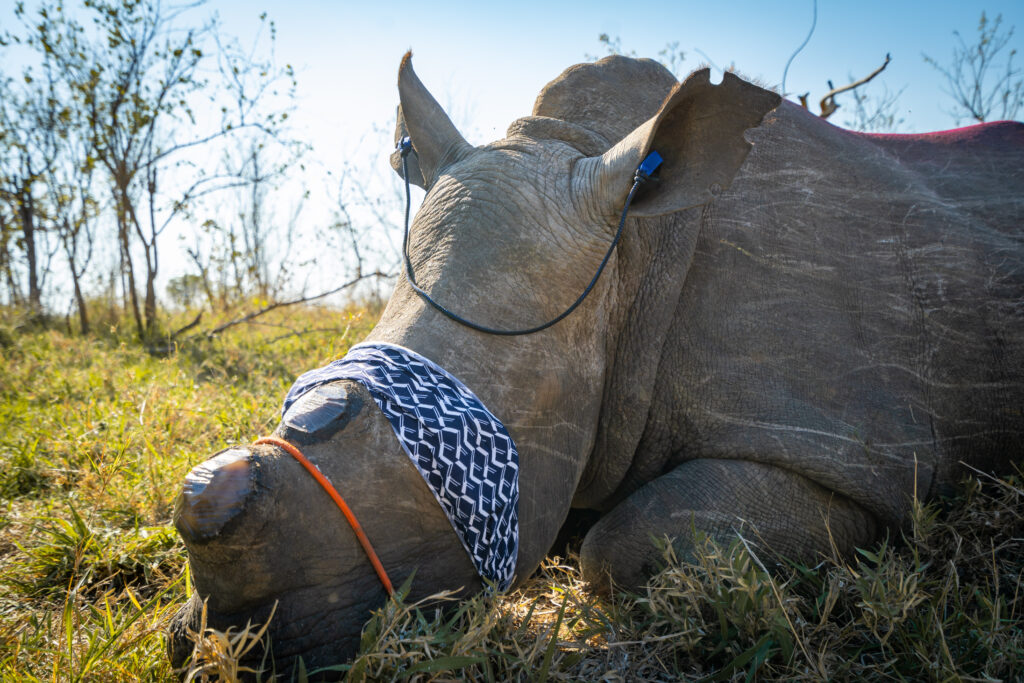
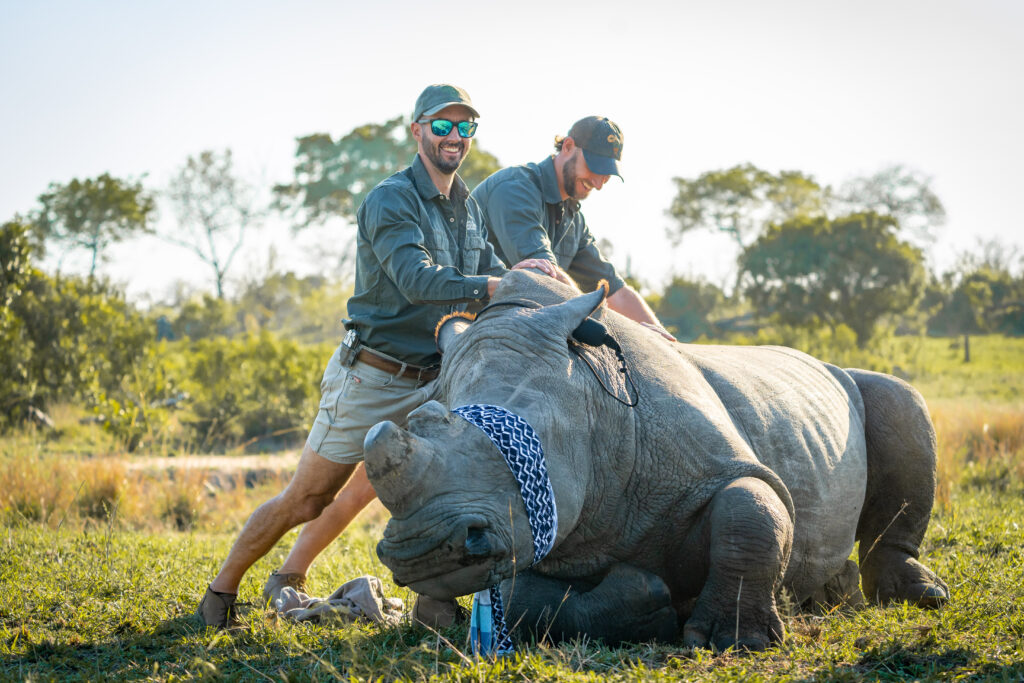
Rhino Protection: A Shared Commitment to Nature Conservation
During the height of the rhino wars, numerous organizations emerged to address the threats to these majestic animals. While the challenges continue to persist today, the dedication and impact of these conservation efforts continue to evolve.
At the inception of many of these initiatives, rhinos faced unprecedented levels of poaching, prompting a call to action to protect these iconic animals, which many consider part of our shared heritage.
Many believe that by implementing measures such as Anti-Poaching units, dehorning projects, detection and tracking dogs, aerial patrols, and enhanced entry control, not only can rhino populations be safeguarded, but other vulnerable species within reserves can also benefit.
Through collaborative efforts, organizations have supported rhino protection in various reserves, providing essential equipment, establishing Anti-Poaching camps, facilitating rhino relocation projects, and carrying out dehorning initiatives.
The overarching goal of these efforts is to create lasting partnerships with reserves, promoting effective collaboration and implementation strategies to address the urgent conservation challenges of our time.
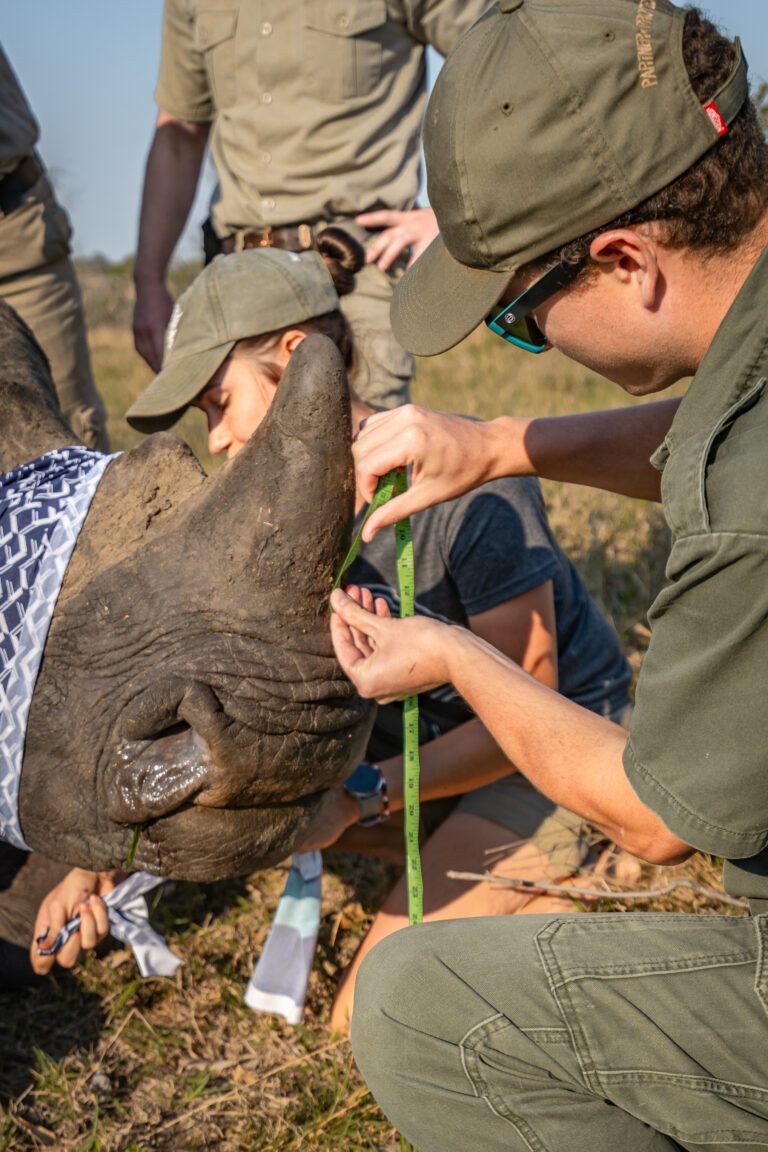
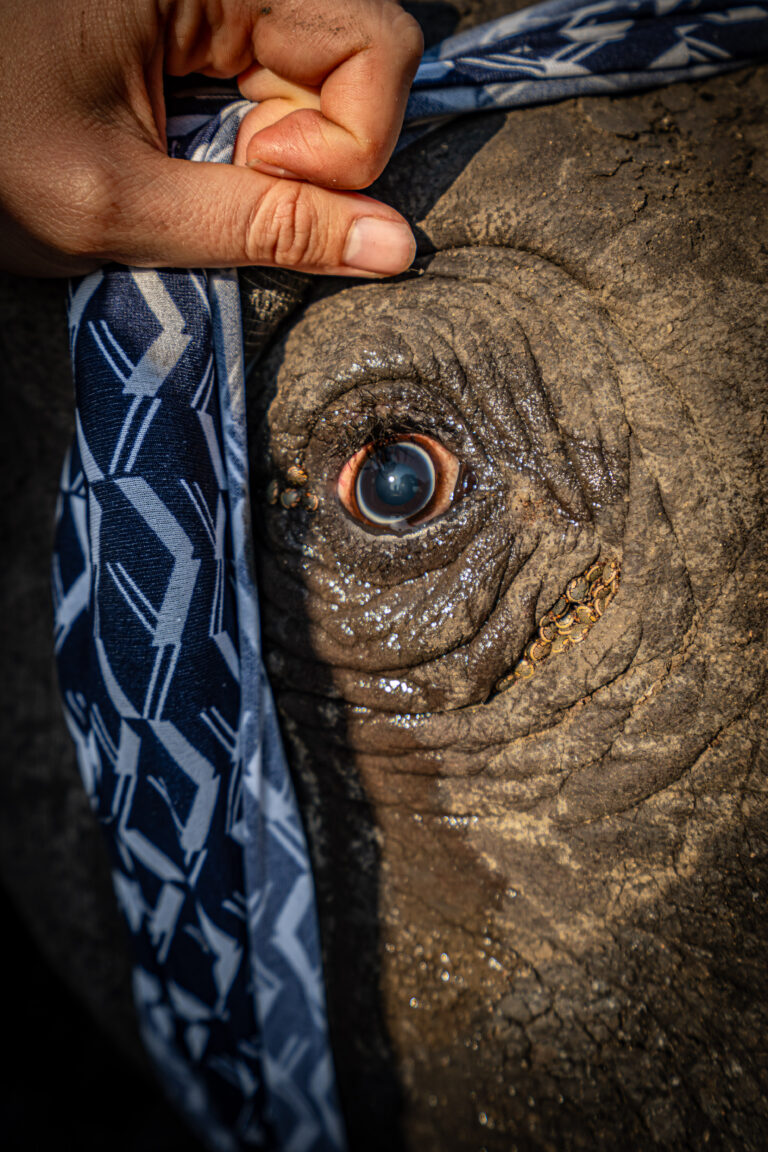
Protection of Rhinos: A Life-Saving Project
This rhino conservation project has both life-changing and life-saving aspects. Rhinos are still hunted and poached for their horns, for various reasons, ranging from traditional Chinese medicinal beliefs to aphrodisiacs and even as status symbols, making them one of the most expensive commodities on the black market worldwide.
These mythical beliefs are pushing one of Africa’s most iconic species to the brink of extinction. Rhino protection encompasses a wide range of measures, including Anti-Poaching Units, aerial surveillance, detection and tracking dogs, intelligence gathering, tourism, and horn removal, to name a few.
Over the past 10 years, horn removal has significantly contributed as a deterrent to poachers, making the reward not appealing enough to poach in reserves that adopt this strategy. This non-harmful procedure has had no noticeable impact on rhinos; their reproductive cycles have remained unchanged, their social behavior has not been altered, and reserve management has had more time to improve tactics.
While horn removal has a positive impact on rhino protection, it should be emphasized that it is only a preventive measure and not the solution to stop poaching.
Join our Rhino Conservation Project for a meaningful impact on nature
Are you seeking a meaningful experience with a positive impact on nature?
Join our Rhino Conservation Project. This project offers a unique opportunity to get involved in the conservation of rhinos, an endangered species constantly threatened by poachers.
By donating to the Rhino Conservation Project, 90% of your contribution directly supports rhino conservation, while the remaining 10% is used to cover our operational costs.
You’ll have the chance to actively participate in this project and work closely with the conservation team. The Rhino Conservation Project primarily takes place in Limpopo, in the Greater Kruger area, with Hoedspruit as the base.
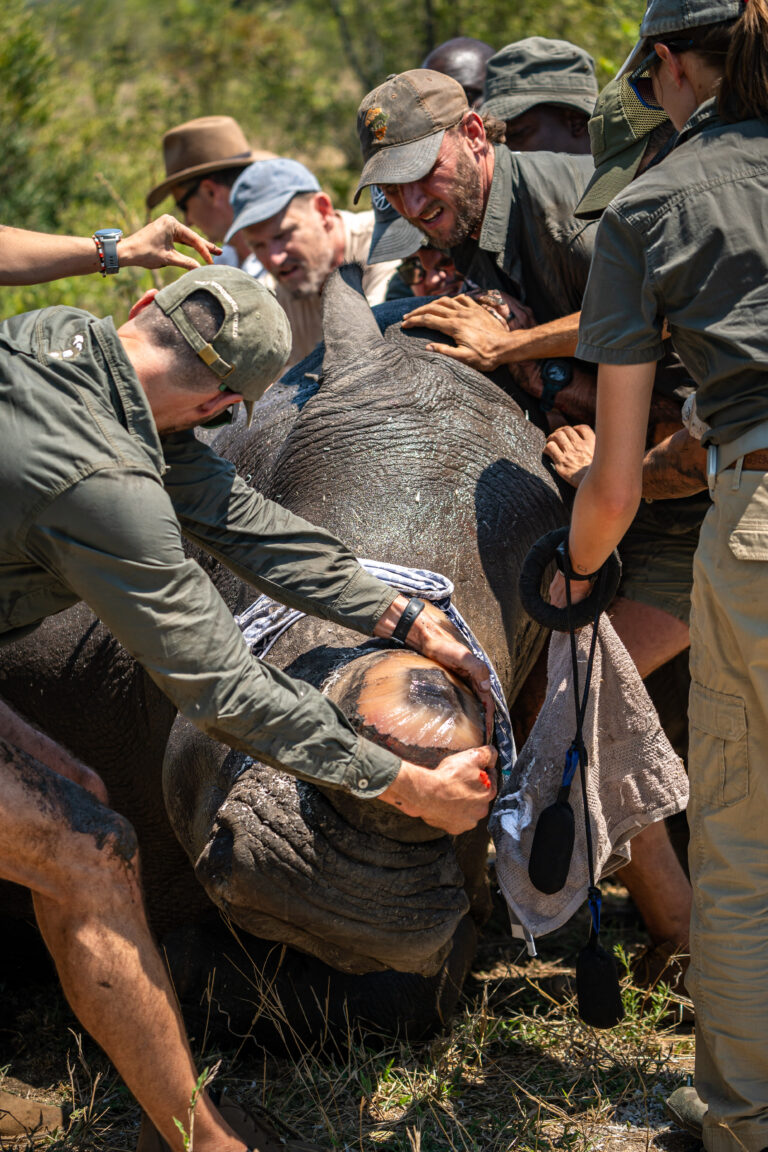
Book this Life Changing Experience Now!
Contact me for more information. Any questions? Feel free to ask – I’m here to help!
Get in touch!
For inquiries about any of our walking safaris, please fill out the form below.
wildwanderersafaris.com is proudly powered by WordPress